ERP System plays a crucial role in modern businesses, streamlining operations and enhancing efficiency. Let’s delve into the key aspects of ERP systems and how they can benefit organizations.
Advertisement




From the different types of ERP systems to their implementation, customization, and data management, this comprehensive guide offers insights into the world of ERP systems.
Introduction to ERP System
An Enterprise Resource Planning (ERP) system is a software solution that integrates various business functions and processes into a single system. Its primary purpose is to streamline operations, improve efficiency, and provide real-time insights for better decision-making in organizations.
Key Features and Components of an ERP System
ERP systems typically include modules for different areas such as finance, human resources, supply chain management, customer relationship management, and more. Some key features and components of an ERP system include:
Advertisement
- Centralized Database: ERP systems store all data in a central database, ensuring data integrity and consistency across the organization.
- Integration: ERP systems integrate different departments and functions, allowing for seamless communication and collaboration.
- Automation: ERP systems automate repetitive tasks, reducing manual work and increasing productivity.
- Analytics and Reporting: ERP systems provide tools for data analysis and reporting, helping organizations make informed decisions based on real-time insights.
- Scalability: ERP systems are scalable and can grow with the organization, adapting to changing business needs.
Benefits of Implementing an ERP System in an Organization
Implementing an ERP system can bring numerous benefits to an organization, such as:
- Improved Efficiency: By streamlining processes and eliminating redundancies, ERP systems can improve overall operational efficiency.
- Better Decision-Making: With access to real-time data and analytics, organizations can make informed decisions quickly and effectively.
- Enhanced Visibility: ERP systems provide visibility into all aspects of the business, helping management monitor performance and identify areas for improvement.
- Cost Savings: By automating tasks and improving processes, ERP systems can help reduce operational costs and increase profitability.
- Compliance and Risk Management: ERP systems can help organizations stay compliant with regulations and manage risks effectively through better data management and control.
Types of ERP Systems
In the realm of ERP systems, there are three main types: on-premise, cloud-based, and hybrid. Each has its own set of advantages and considerations to take into account when choosing the right system for a business.
On-Premise ERP Systems
On-premise ERP systems are installed and maintained on the company’s own servers and hardware. They offer full control and customization but require a significant initial investment. Popular examples include SAP ERP, Oracle E-Business Suite, and Microsoft Dynamics AX.
Advertisement
Cloud-Based ERP Systems
Cloud-based ERP systems are hosted on remote servers and accessed through the internet. They offer lower upfront costs, scalability, and flexibility. Popular examples include NetSuite, Salesforce, and Workday.
Hybrid ERP Systems
Hybrid ERP systems combine elements of both on-premise and cloud-based systems. They offer the flexibility to customize certain aspects while leveraging the benefits of cloud technology. Popular examples include Oracle Fusion Cloud, Infor CloudSuite, and Epicor ERP.
Scalability is a key factor to consider when choosing an ERP system. On-premise systems may have limitations in scalability due to hardware constraints, while cloud-based systems can scale more easily based on business needs. Hybrid systems offer a middle ground, allowing for scalability while still maintaining some level of control over certain aspects of the system.
Implementation of ERP Systems
Implementing an ERP system involves a series of steps to ensure a smooth transition and successful integration within an organization. However, it also comes with its own set of challenges that need to be addressed for a successful implementation. Let’s explore the steps involved, common challenges faced, and best practices for implementing an ERP system.
Steps Involved in Implementing an ERP System
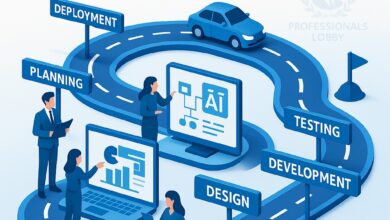
- Planning: Define the scope, objectives, and timeline of the implementation process.
- Selection: Choose the right ERP system that aligns with the organization’s needs and goals.
- Design: Customize the ERP system to fit the specific requirements of the organization.
- Development: Develop and configure the system according to the design specifications.
- Testing: Conduct thorough testing to ensure the system functions correctly and meets the desired outcomes.
- Training: Train employees on how to use the new ERP system effectively.
- Deployment: Roll out the ERP system across the organization in a phased approach.
- Maintenance: Provide ongoing support and maintenance to ensure the system operates smoothly.
Common Challenges Faced During ERP System Implementation
- Resistance to Change: Employees may resist adopting new processes and technologies.
- Data Migration Issues: Transferring data from old systems to the new ERP system can be complex.
- Integration Problems: Ensuring seamless integration with existing systems and processes.
- Cost Overruns: Budget constraints and unexpected costs can arise during implementation.
- Lack of Executive Support: Leadership buy-in and support are crucial for successful implementation.
Best Practices for Successful ERP System Implementation
- Executive Sponsorship: Secure top-level support and involvement throughout the implementation process.
- Change Management: Implement strategies to address resistance to change and promote user adoption.
- Thorough Testing: Conduct extensive testing to identify and resolve any issues before full deployment.
- Training and Education: Provide comprehensive training to ensure employees can effectively use the new system.
- Continuous Improvement: Regularly review and optimize processes to maximize the benefits of the ERP system.
Modules of an ERP System
ERP systems consist of various modules that are designed to streamline different aspects of a business. Each module plays a crucial role in ensuring the smooth functioning of the organization.
Finance Module
The finance module of an ERP system handles all financial transactions, including accounts payable, accounts receivable, budgeting, and forecasting. It helps in generating financial reports, tracking expenses, and managing cash flow effectively.
HR Module
The HR module manages all aspects related to human resources, such as payroll, employee benefits, recruitment, training, and performance evaluation. It centralizes employee data, streamlines HR processes, and ensures compliance with labor laws and regulations.
Supply Chain Module
The supply chain module oversees the entire supply chain process, from procurement to production to distribution. It helps in optimizing inventory levels, tracking shipments, and improving supplier relationships. This module enables better coordination and visibility across the supply chain network.
Sales and Marketing Module
The sales and marketing module focuses on managing sales orders, tracking customer interactions, and analyzing marketing campaigns. It helps in identifying sales opportunities, monitoring customer preferences, and evaluating the effectiveness of marketing strategies. This module plays a key role in enhancing customer satisfaction and driving revenue growth.
Customization and Integration
Customization and integration are crucial aspects of ERP systems that help businesses tailor the software to meet their specific needs and seamlessly connect with other applications. Let’s delve deeper into the importance of customization and the process of integration in ERP systems.
Importance of Customization
Customization in ERP systems allows businesses to adapt the software to their unique requirements, workflows, and processes. By customizing the system, companies can optimize functionalities, enhance efficiency, and improve overall productivity. For example, a manufacturing company may need to customize their ERP system to manage complex production processes specific to their industry.
- Customizing reports to display relevant data for decision-making
- Adapting workflows to align with company processes
- Configuring user interfaces for better usability
Customization ensures that the ERP system fits the business like a glove, maximizing its potential benefits.
Integration Process
Integrating an ERP system with other software applications is essential for seamless data flow and communication across different departments. The integration process involves connecting the ERP system with existing systems like CRM, HR, or e-commerce platforms to enable real-time data sharing and streamline operations.
- Identifying integration points and data mapping
- Developing APIs or using middleware for connectivity
- Testing and validating data exchange between systems
Successful integration ensures that information flows smoothly between different systems, eliminating data silos and improving decision-making.
Examples of Successful Customization and Integration
One example of successful customization and integration is a retail company customizing their ERP system to incorporate a loyalty program for customers. By integrating the ERP system with the customer database and point-of-sale system, the company can track customer purchases, offer personalized promotions, and analyze customer behavior to drive sales.
Another example is a healthcare organization customizing their ERP system to integrate with electronic health records (EHR) software. This integration allows seamless sharing of patient data between the ERP system and EHR, improving patient care coordination, reducing errors, and enhancing overall efficiency.
Data Management in ERP Systems
Data management in ERP systems is a crucial aspect that involves storing, managing, and utilizing data effectively to support business operations. Additionally, data security measures are implemented to protect sensitive information, while data analytics and reporting play a vital role in providing valuable insights for decision-making.
Data Storage and Management
In an ERP system, data is stored in a centralized database where all modules can access and update information in real-time. This ensures data consistency and eliminates data silos, allowing for seamless integration and communication between different departments within an organization.
- Data is organized into different modules such as finance, human resources, supply chain, and customer relationship management, ensuring that relevant data is stored in the appropriate categories for easy retrieval and analysis.
- Data management tools within the ERP system enable users to input, modify, and extract data efficiently, ensuring data accuracy and integrity throughout the system.
- Data redundancy is minimized through data normalization techniques, reducing the risk of errors and inconsistencies in the system.
Data Security Measures
Ensuring data security is a top priority in ERP systems to protect sensitive information from unauthorized access, manipulation, or theft. Various security measures are implemented to safeguard data integrity and confidentiality.
- Access controls are enforced to restrict data access based on user roles and permissions, ensuring that only authorized users can view or modify specific data.
- Encryption techniques are used to secure data transmission and storage, preventing unauthorized users from intercepting or deciphering sensitive information.
- Regular data backups are performed to prevent data loss in case of system failures, natural disasters, or cyberattacks, ensuring data availability and continuity.
Data Analytics and Reporting
Data analytics and reporting functionalities in ERP systems enable organizations to gain valuable insights from the data collected, helping them make informed decisions and improve business performance.
- Data analytics tools analyze historical and real-time data to identify trends, patterns, and anomalies, providing valuable insights for forecasting, planning, and optimization.
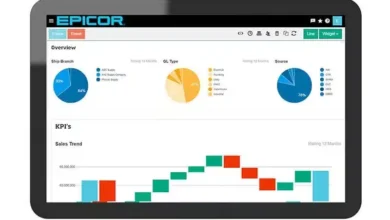
- Reporting features generate customizable reports and dashboards that summarize key performance indicators, metrics, and trends, enabling stakeholders to track progress, monitor performance, and make data-driven decisions.
- Data visualization tools present data in interactive charts, graphs, and diagrams, enhancing data comprehension and communication among users, facilitating informed decision-making and strategic planning.
User Training and Support
Training and support for users of an ERP system are crucial for the successful implementation and utilization of the system. Adequate training ensures that users understand how to navigate the system, input data correctly, and make the most out of its features. Ongoing support is also essential to address any issues that may arise and to keep the system running smoothly.
Strategies for Effective User Training and Onboarding
Effective user training and onboarding are key to maximizing the benefits of an ERP system. Here are some strategies to ensure successful training:
- Develop a comprehensive training program that covers all aspects of the ERP system, including basic functionalities and advanced features.
- Provide hands-on training sessions where users can practice using the system in a simulated environment.
- Offer training materials such as user guides, video tutorials, and FAQs for users to refer back to as needed.
- Assign dedicated trainers or super users who can provide personalized assistance and support to new users.
Role of Ongoing Support and Maintenance
Ongoing support and maintenance are essential for the long-term success of an ERP system. Here’s why:
- Regular maintenance and updates ensure that the system is running smoothly and efficiently, reducing the risk of downtime or technical issues.
- Providing ongoing support allows users to seek help when they encounter challenges or have questions about the system.
- Continuous training and refresher sessions help users stay up-to-date with any changes or new features implemented in the system.
ERP System Trends
As technology continues to evolve, the landscape of ERP systems is also changing rapidly. In this section, we will explore some of the current trends in ERP systems and their impact on the future of enterprise resource planning.
AI Integration in ERP Systems
Artificial Intelligence (AI) is revolutionizing the way ERP systems operate. By leveraging AI algorithms, ERP systems can analyze large volumes of data, automate routine tasks, and provide valuable insights for decision-making. AI integration in ERP systems enhances efficiency, accuracy, and predictive capabilities, leading to improved business performance.
IoT in ERP Systems
The Internet of Things (IoT) is another trend shaping the future of ERP systems. By connecting physical devices and sensors to ERP software, organizations can collect real-time data on operations, inventory, and customer behavior. This connectivity enables better visibility, tracking, and control over business processes, ultimately optimizing resource utilization and enhancing customer experience.
Blockchain Integration in ERP Systems
Blockchain technology is increasingly being integrated into ERP systems to ensure data security, transparency, and traceability. By utilizing blockchain for transactions and record-keeping, ERP systems can prevent fraud, minimize errors, and streamline supply chain management. Blockchain integration enhances data integrity, trust among stakeholders, and compliance with regulations.
ERP System Selection Criteria
When selecting an ERP system for an organization, it is crucial to consider various factors to ensure a successful implementation that aligns with business objectives.
Factors to Consider in ERP System Selection
- Scalability: Ensure the ERP system can grow with your business needs.
- Integration Capabilities: Ability to integrate with existing systems and future technologies.
- Customization Options: Determine the level of customization needed for your specific business processes.
- Vendor Reputation and Support: Research the vendor’s reputation, reliability, and level of customer support.
- Cost: Consider both upfront costs and long-term expenses, including maintenance and upgrades.
Aligning ERP System Features with Business Objectives
It is essential to ensure that the features and capabilities of the chosen ERP system align closely with the strategic goals and operational needs of the organization.
Tips for Evaluating ERP Vendors and Solutions
- Request Demos: Ask for demonstrations of the ERP system to see how it functions in a real-world setting.
- Check References: Reach out to current customers of the ERP vendor to get feedback on their experience.
- Scalability: Inquire about the vendor’s ability to scale the ERP system as your business grows.
- Training and Support: Evaluate the training and ongoing support provided by the vendor.
Case Studies and Success Stories
In this section, we will explore real-world examples of organizations that have successfully implemented ERP systems, analyzing the benefits, challenges, key takeaways, and lessons learned from these case studies.
Case Study 1: Company X
- Company X, a global manufacturing company, implemented an ERP system to streamline their operations and improve efficiency.
- Benefits: Improved inventory management, enhanced communication between departments, and increased overall productivity.
- Challenges: Resistance to change from employees, initial implementation costs, and integration issues with existing systems.
- Key Takeaways: Comprehensive training and communication are essential for successful ERP implementation, and involving employees in the process can help mitigate resistance.
Case Study 2: Organization Y
- Organization Y, a leading retail chain, adopted an ERP system to centralize their data and improve decision-making processes.
- Benefits: Real-time data access, better forecasting capabilities, and streamlined financial reporting.
- Challenges: Data migration complexities, customization requirements, and ensuring data security and compliance.
- Key Takeaways: Thorough planning and testing are crucial for a successful ERP implementation, and ongoing support and maintenance are necessary for long-term success.
Case Study 3: Corporation Z
- Corporation Z, a multinational corporation, implemented an ERP system to standardize processes across their global locations.
- Benefits: Increased visibility into operations, improved decision-making, and enhanced collaboration among teams.
- Challenges: Cultural differences impacting adoption, scalability issues for different business units, and training requirements for diverse user groups.
- Key Takeaways: Tailoring the ERP system to meet specific business needs is crucial, and continuous monitoring and evaluation are essential for optimizing system performance.
Closing Summary
As we conclude our exploration of ERP systems, it’s evident that these integrated solutions are pivotal in driving business success. By understanding the nuances of ERP systems, organizations can optimize their operations and pave the way for growth and innovation.

Contributing author focused on delivering fresh perspectives and timely information.