Best ERP for Small Business sets the stage for this enthralling narrative, offering readers a glimpse into a story that is rich in detail and brimming with originality from the outset. Small businesses require efficient solutions to manage their operations, and the right ERP system can make a significant difference in their productivity and growth.
Advertisement





Exploring the key benefits and features of the best ERP for small business can shed light on the crucial aspects that business owners need to consider when selecting the most suitable system for their needs.
Importance of ERP for small businesses
ERP systems are essential for small businesses to effectively manage their operations, improve efficiency, and stay competitive in the market. These systems offer a centralized platform for integrating various business functions, such as finance, inventory management, human resources, and customer relationship management.
Key Benefits of using an ERP for small businesses
- Improved data accuracy and accessibility: ERP systems help in eliminating manual data entry errors and provide real-time access to critical business information.
- Enhanced productivity: By automating routine tasks and workflows, ERP systems enable employees to focus on more strategic activities, leading to increased productivity.
- Cost savings: Through better resource utilization, streamlined processes, and reduced operational inefficiencies, ERP systems help small businesses save money in the long run.
- Better decision-making: With access to consolidated and up-to-date data, small business owners can make informed decisions quickly, leading to improved business outcomes.
How an ERP can streamline operations for small businesses
ERP systems centralize data and processes, eliminating the need for multiple standalone systems and manual data entry. This integration streamlines operations, improves collaboration among departments, and enhances overall efficiency.
Impact of an ERP on productivity and efficiency
- Increased automation: ERP systems automate repetitive tasks, reducing the time and effort required for manual work, thereby boosting productivity.
- Optimized processes: By standardizing and optimizing business processes, ERP systems eliminate bottlenecks and inefficiencies, leading to improved operational efficiency.
- Enhanced communication: ERP systems facilitate seamless communication among employees, departments, and stakeholders, fostering collaboration and improving overall productivity.
Features to look for in the best ERP for small business
When choosing an ERP system for a small business, it is crucial to consider the key features that will best meet the needs of your organization. From inventory management to financial tracking, the right ERP can streamline operations and improve overall efficiency. Here are some essential features to prioritize:
Advertisement
Customization Options
Customization options in an ERP system allow small businesses to tailor the software to their specific needs and workflows. This flexibility ensures that the ERP aligns with the unique requirements of the business, increasing productivity and accuracy.
Scalability
Scalability is vital for small businesses as they grow and expand. An ERP system that can scale with your business ensures that you won’t outgrow the software too quickly, saving time and resources on implementing a new system in the future.
Integrated Modules
Look for an ERP system that offers integrated modules for various functions such as accounting, inventory management, CRM, and human resources. Having all these modules within a single system improves data accuracy and reduces the need for multiple software solutions.
Advertisement
User-Friendly Interface
A user-friendly interface is essential for small businesses that may not have dedicated IT staff. An intuitive interface makes it easier for employees to learn and use the ERP system effectively, increasing adoption rates and overall efficiency.
Cloud-Based Deployment
Opting for a cloud-based ERP system allows small businesses to access their data from anywhere, at any time. Cloud deployment also eliminates the need for costly hardware investments and maintenance, making it a cost-effective solution for small businesses.
Mobile Accessibility
In today’s fast-paced business environment, mobile accessibility is a must-have feature for an ERP system. Mobile access enables employees to stay connected and productive on the go, ensuring that critical business processes are not disrupted.
Cost considerations when choosing an ERP for small business
When it comes to choosing an ERP system for a small business, cost considerations play a crucial role in the decision-making process. Understanding the budget allocation, hidden costs, pricing models, and return on investment (ROI) are essential factors to consider.
Budget Allocation for ERP Implementation
Implementing an ERP system involves various costs such as software licensing, customization, training, and ongoing support. Small businesses should allocate a budget that covers not only the initial implementation but also future upgrades and maintenance to ensure the system’s longevity.
Hidden Costs to Be Aware Of
Small businesses should be aware of hidden costs that may arise during the ERP implementation process. These costs may include data migration, integration with existing systems, additional hardware requirements, and ongoing consultancy fees. It is important to factor in these hidden costs to avoid budget overruns.
Comparison of Pricing Models
Different ERP systems offer various pricing models such as subscription-based, perpetual licensing, or a combination of both. Small businesses should evaluate the pricing models based on their budget constraints and long-term financial goals. It is essential to choose a pricing model that aligns with the business’s financial capabilities.
Role of ROI in Selecting the Best ERP
Return on investment (ROI) is a critical factor in selecting the best ERP system for small businesses. It is essential to assess how the ERP system will improve operational efficiency, reduce costs, and increase productivity to generate a positive ROI. Small businesses should consider the long-term benefits of the ERP system in terms of revenue growth and competitive advantage to justify the investment.
Case studies of successful ERP implementations in small businesses
Implementing an ERP system can have a significant impact on small businesses, improving efficiency, streamlining processes, and enhancing decision-making capabilities. Let’s explore some examples of successful ERP implementations in small businesses.
Case Study 1: ABC Manufacturing Company
- ABC Manufacturing Company faced challenges with inventory management and order processing due to manual processes and disparate systems.
- By implementing an ERP solution, they were able to centralize their data, automate workflows, and gain real-time insights into their operations.
- The key challenge during implementation was employee training and change management, which was overcome through thorough training sessions and ongoing support.
Case Study 2: XYZ Retail Store
- XYZ Retail Store struggled with inventory inaccuracies, leading to stockouts and overstock situations.
- After implementing an ERP system, they were able to optimize their inventory levels, improve demand forecasting, and enhance customer satisfaction.
- One of the challenges faced was data migration from legacy systems, which was successfully managed through data cleansing and validation processes.
Impact of ERP on Growth and Sustainability
- ERP systems have enabled small businesses to scale their operations efficiently, adapt to changing market conditions, and make informed strategic decisions.
- By automating manual processes, reducing errors, and improving data accuracy, ERP solutions have contributed to the growth and sustainability of small businesses.
Key Takeaways from Successful ERP Implementations
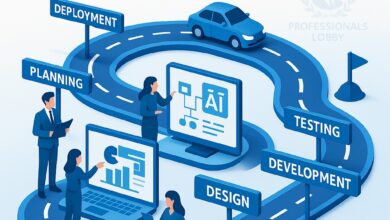
- Thorough planning and preparation are essential for a successful ERP implementation in small businesses.
- Employee training and change management are critical factors for overcoming resistance to new systems and processes.
- Regular monitoring, evaluation, and continuous improvement are necessary to maximize the benefits of an ERP system for small businesses.
Integration capabilities with other business systems
Integrating an ERP system with other business systems is crucial for streamlining operations and maximizing efficiency. It allows for seamless communication and data sharing across different departments, eliminating silos and reducing manual data entry errors.
Common Integrations for Small Businesses
- Accounting Software: Integrating ERP with accounting software ensures accurate financial data and streamlined financial processes.
- CRM Systems: Connecting ERP with CRM systems enables a 360-degree view of customer interactions and improves customer service.
- Inventory Management: Integration with inventory management systems helps in optimizing stock levels, reducing stockouts, and improving order fulfillment.
- E-commerce Platforms: Integrating ERP with e-commerce platforms automates order processing, inventory updates, and customer data synchronization.
Challenges and Best Practices for Integration
- Challenges: Data inconsistency, system compatibility issues, and resistance from employees are common challenges faced during integration.
- Best Practices: Thorough planning, clear communication, and involving key stakeholders from the beginning can help in successful integration.
Impact of Seamless Integration on Business Efficiency
Seamless integration of ERP with other business systems leads to improved data accuracy, faster decision-making, reduced operational costs, and enhanced overall business efficiency. It enables real-time access to critical information and ensures a unified view of the entire business operations.
Security considerations when choosing an ERP for small business
When selecting an ERP system for a small business, security should be a top priority to safeguard sensitive data and protect the company from potential cyber threats.
Potential security risks associated with ERP systems
ERP systems can be vulnerable to various security risks such as data breaches, unauthorized access, malware attacks, and internal threats. These risks can lead to financial losses, reputational damage, and legal liabilities for small businesses.
Best practices for securing sensitive data in an ERP
– Implement strong access controls and user authentication mechanisms to restrict unauthorized access.
– Encrypt data both in transit and at rest to prevent interception or theft.
– Regularly update and patch the ERP system to address known vulnerabilities.
– Conduct security audits and penetration testing to identify and address weaknesses proactively.
The role of compliance and data protection in ERP security
Compliance with regulations such as GDPR, HIPAA, or PCI DSS is crucial for ensuring data protection and privacy in an ERP system. Small businesses must adhere to these standards to avoid penalties and maintain trust with customers.
Tips for ensuring data privacy and protection in an ERP system
– Train employees on security best practices and raise awareness about the importance of data protection.
– Back up data regularly to prevent loss in case of a security incident.
– Monitor user activity and implement logging mechanisms to track changes and detect suspicious behavior.
– Consider implementing a disaster recovery plan to quickly restore operations in case of a security breach.
User interface and ease of use in ERP systems for small businesses
User interface plays a crucial role in the successful adoption of ERP systems by small businesses. A user-friendly interface can significantly enhance user experience, increase productivity, and streamline business processes. Let’s delve deeper into the importance of user interface design in ERP systems tailored for small businesses.
Importance of User-Friendly Interfaces in ERP Adoption
A user-friendly interface simplifies navigation, reduces the learning curve for employees, and ensures efficient utilization of the ERP system. Intuitive design elements, clear layouts, and easy access to key functionalities contribute to a positive user experience, leading to higher user engagement and overall satisfaction.
Comparison of User Interfaces of Different ERP Systems for Small Businesses
When selecting an ERP system for a small business, it is essential to evaluate the user interface of different options. Compare factors such as customization options, dashboard layout, ease of data entry, and accessibility of reports to determine which system aligns best with your business requirements and user preferences.
Role of Training and Support in Enhancing User Experience
Training and ongoing support are critical components of ensuring a smooth user experience with an ERP system. Comprehensive training programs, user guides, and responsive customer support can empower employees to make the most of the ERP software, troubleshoot issues effectively, and optimize their workflow within the system.
Tips for Selecting an ERP System with an Intuitive Interface
– Prioritize simplicity and clarity in the design of the user interface.
– Look for customizable features that allow you to tailor the interface to your specific business needs.
– Consider conducting user testing to gather feedback on the ease of use and functionality of the interface.
– Choose an ERP vendor that offers responsive support and training resources to assist users in mastering the system.
Customization and scalability options in ERP solutions
Customization and scalability are crucial aspects of an ERP system for small businesses, providing the flexibility and adaptability needed to meet specific business requirements and accommodate growth. Let’s delve into the benefits of customization and scalability in ERP solutions for small businesses.
Benefits of customization for small businesses
Customization in an ERP system allows small businesses to tailor the software to their unique processes and workflows. This can lead to improved efficiency, productivity, and decision-making capabilities. By customizing fields, reports, and dashboards, small businesses can create a system that aligns perfectly with their operations.
- Customized workflows to streamline processes
- Personalized reports for better insights
- Tailored dashboards for quick access to key information
Scalability for accommodating business growth
Scalability in an ERP system enables small businesses to expand their operations without the need for a complete system overhaul. As the business grows, the ERP system can scale up to support increased data, users, and transactions seamlessly. This ensures that the software remains a valuable asset throughout the business’s growth journey.
- Ability to add new modules and functionalities as needed
- Support for increased data storage and processing capabilities
- Scalable licensing options to accommodate growing user base
Examples of customizable features for small businesses
Small businesses can benefit from various customizable features in an ERP system, such as:
- Custom fields to capture specific data points
- Workflow automation tailored to unique processes
- User permissions and access control customization
Importance of flexibility in an ERP solution for small businesses
Flexibility is essential in an ERP solution for small businesses as it allows for quick adaptations to changing business needs and market dynamics. A flexible system can accommodate new requirements, integrations with third-party tools, and evolving industry regulations, ensuring that the ERP remains relevant and effective over time.
Industry-specific considerations for small business ERP selection
When selecting an ERP system for a small business, it is crucial to consider the unique needs of different industries. Each industry has specific requirements that can greatly impact the effectiveness and efficiency of an ERP solution. Tailoring the ERP system to meet industry-specific demands can lead to improved operational efficiency and better overall performance.
Healthcare Industry
- Healthcare institutions require ERP systems that can handle sensitive patient data securely and comply with strict privacy regulations such as HIPAA.
- Specialized features like patient scheduling, billing, and electronic health record management are essential for healthcare ERP solutions.
- Examples of tailored ERP solutions for the healthcare industry include Meditech and Epic Systems, which offer comprehensive healthcare management functionalities.
- Industry compliance is paramount in healthcare ERP selection to ensure data security and patient confidentiality are maintained at all times.
Manufacturing Industry
- Manufacturing companies need ERP systems that can streamline production processes, manage inventory effectively, and track supply chain activities.
- Features like production planning, materials requirement planning, and shop floor control are essential for manufacturing ERP solutions.
- ERP solutions like SAP Business One and Microsoft Dynamics 365 for Manufacturing are tailored to meet the specific needs of manufacturing businesses.
- Ensuring industry compliance in terms of quality standards and regulatory requirements is crucial for successful ERP implementation in the manufacturing sector.
Retail Industry
- Retail businesses require ERP systems that can handle high volumes of transactions, manage inventory across multiple locations, and integrate with e-commerce platforms.
- Features like point-of-sale integration, omnichannel retailing capabilities, and demand forecasting are essential for retail ERP solutions.
- ERP solutions such as NetSuite and Shopify Plus offer industry-specific features designed to meet the needs of retail businesses.
- Industry compliance in terms of data security, payment processing standards, and consumer protection regulations is crucial for retail ERP selection.
Ending Remarks
In conclusion, the best ERP for small business is a game-changer that can revolutionize how these enterprises operate. By focusing on customization, scalability, integration, and security, small businesses can leverage ERP systems to propel their growth and achieve long-term success.

Contributing author focused on delivering fresh perspectives and timely information.