Oracle ERP System revolutionizes business operations, providing a seamless integration of functions for optimal performance and productivity. Let’s explore the key aspects of this powerful system.
Advertisement





Introduction to Oracle ERP System
An Enterprise Resource Planning (ERP) system is a software solution that integrates various business processes and functions across an organization into a single system to streamline operations and improve efficiency.
Oracle ERP system, developed by Oracle Corporation, is a comprehensive suite of integrated applications that help businesses manage their day-to-day operations efficiently. It provides a centralized platform for managing financials, human resources, supply chain management, and other critical aspects of a business.
Key Features of Oracle ERP System
- Financial Management: Oracle ERP system offers robust financial management capabilities, including accounting, budgeting, and financial reporting.
- Supply Chain Management: It helps businesses optimize their supply chain processes, from procurement to inventory management, to enhance operational efficiency.
- Human Capital Management: Oracle ERP system includes modules for managing employee information, payroll, benefits, and performance evaluation.
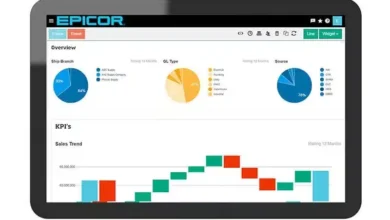
- Business Intelligence: The system provides powerful analytics and reporting tools to help businesses make informed decisions based on real-time data.
- Mobile Access: Oracle ERP system offers mobile capabilities, allowing users to access critical business information anytime, anywhere.
Functionality of Oracle ERP System
Oracle ERP system offers a comprehensive suite of modules designed to streamline and optimize various business processes. From financial management to supply chain operations, Oracle ERP system provides a centralized platform for managing all aspects of a business efficiently.
Advertisement
Modules Available in Oracle ERP System
Oracle ERP system includes modules such as:
- Financial Management: Handles financial planning, budgeting, and reporting.
- Supply Chain Management: Manages procurement, inventory, and order fulfillment.
- Human Capital Management: Covers employee management, payroll, and benefits administration.
- Project Management: Tracks project progress, costs, and resources.
- Customer Relationship Management: Manages customer interactions and sales processes.
Integration of Different Business Functions
Oracle ERP system integrates various business functions by providing a centralized database that allows real-time data sharing across departments. This integration ensures seamless communication and collaboration between different functions, leading to improved efficiency and decision-making.
Benefits of Using Oracle ERP System for Businesses
- Improved Efficiency: Streamlines processes and eliminates manual tasks.
- Enhanced Visibility: Provides real-time insights into business operations.
- Better Decision-Making: Enables data-driven decision-making based on accurate information.
- Scalability: Adaptable to the changing needs and growth of a business.
- Compliance: Helps businesses adhere to regulatory requirements and standards.
Implementation of Oracle ERP System
Implementing an Oracle ERP system involves several steps, challenges, and tips to ensure a successful deployment.
Advertisement
Steps Involved in Implementing Oracle ERP System
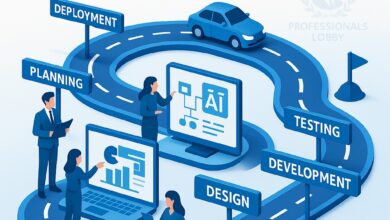
- Planning Phase: Define objectives, assess current processes, and create a project plan.
- Selection Phase: Choose the right Oracle ERP system based on business needs and requirements.
- Configuration Phase: Customize the ERP system to align with the organization’s workflows and processes.
- Testing Phase: Conduct thorough testing to identify and resolve any issues or bugs.
- Training Phase: Train employees on how to use the Oracle ERP system effectively.
- Go-Live Phase: Transition from the old system to the new Oracle ERP system and monitor performance.
Challenges Companies May Face During Oracle ERP System Implementation
- Resistance to Change: Employees may resist adopting new processes and technologies.
- Data Migration Issues: Transferring data from legacy systems to Oracle ERP can be complex and error-prone.
- Integration Challenges: Integrating the ERP system with other existing systems and applications may present challenges.
- Cost Overruns: Implementing Oracle ERP system can often exceed budgeted costs if not managed properly.
Tips for Successful Deployment of Oracle ERP System
- Executive Sponsorship: Ensure top management support and involvement throughout the implementation process.
- Change Management: Communicate the benefits of the new system and provide training to ease the transition.
- Strong Project Management: Assign a dedicated project manager to oversee the implementation and keep it on track.
- Data Quality Assurance: Ensure data accuracy and integrity during the migration process to prevent issues later on.
- Continuous Improvement: Regularly review and optimize the Oracle ERP system to meet evolving business needs.
Customization and Configuration in Oracle ERP System
Customization and configuration are essential aspects of tailoring the Oracle ERP system to meet the specific needs of a business. Let’s explore the options available and how they impact the functionality of the system.
Customization Options in Oracle ERP System
Oracle ERP system offers a range of customization options to adapt the software to the unique requirements of a business. Some of the key customization features include:
- Personalization of user interfaces to match the workflow of the organization.
- Customizing reports and dashboards to display relevant information for decision-making.
- Adding new fields or modules to capture specific data that is critical for the business.
- Integrating third-party applications or plugins to enhance functionality.
Configuration Settings and Functionality
Configuration settings play a crucial role in defining how the Oracle ERP system operates and interacts with different modules. By tweaking configuration settings, businesses can:
- Set up approval workflows to streamline processes and ensure compliance.
- Define access controls and permissions to safeguard sensitive data and prevent unauthorized access.
- Configure automated alerts and notifications to keep stakeholders informed about critical events.
- Customize system behavior based on specific business rules and requirements.
Tailoring Oracle ERP System for Business Needs
Businesses can tailor the Oracle ERP system to their specific needs by:
- Mapping their existing processes to the system’s workflows for seamless integration.
- Customizing dashboards and reports to track KPIs and metrics that align with their strategic objectives.
- Integrating data from different sources to provide a comprehensive view of the organization’s performance.
- Adapting modules and functionalities to address unique industry requirements and challenges.
Security Features in Oracle ERP System
Oracle ERP system is equipped with a range of security features to ensure the protection of sensitive data and information. These security measures are crucial in safeguarding the integrity and confidentiality of data within the system.
Integrated Security Measures
- Role-based access control: Oracle ERP system allows administrators to define roles and assign specific access levels to users based on their roles within the organization. This ensures that users can only access the information necessary for their job responsibilities.
- Encryption: Data encryption is used to protect information both in transit and at rest, ensuring that sensitive data is secure from unauthorized access.
- Audit trails: Oracle ERP system maintains detailed audit trails that track user activities within the system, providing visibility into who accessed what information and when.
- Multi-factor authentication: To enhance security, Oracle ERP system supports multi-factor authentication, requiring users to provide more than one form of verification to access the system.
Data Privacy and Protection
- Oracle ERP system employs robust data encryption techniques to protect sensitive information from unauthorized access or cyber threats.
- Regular security updates and patches are provided by Oracle to address any potential vulnerabilities and ensure the system is secure against emerging threats.
- Compliance with data protection regulations such as GDPR ensures that data privacy laws are adhered to, providing users with confidence that their information is handled securely.
Importance of Security in Oracle ERP System
Security is paramount in an ERP system like Oracle as it safeguards critical business data, financial information, and sensitive customer details. By implementing strong security measures, organizations can prevent data breaches, protect their reputation, and maintain trust with stakeholders.
Reporting and Analytics Capabilities of Oracle ERP System
In today’s business environment, data-driven decision-making is crucial for success. The Oracle ERP system offers robust reporting and analytics capabilities to help organizations make informed choices and optimize their operations.
Reporting Tools Provided by Oracle ERP System
- Oracle Business Intelligence (BI) Publisher: This tool enables users to create and customize reports using data from the ERP system.
- Oracle Transactional Business Intelligence (OTBI): Provides real-time insights into transactional data for better decision-making.
- Oracle Hyperion Financial Reporting: Helps in creating financial reports and statements for analysis and compliance purposes.
Data Analysis and Visualization in Oracle ERP System
- Oracle ERP system integrates with Oracle Analytics Cloud to offer advanced data analysis capabilities, allowing users to explore data, identify trends, and gain valuable insights.
- Users can create interactive dashboards, reports, and visualizations to represent data in a meaningful and actionable way.
- Oracle ERP system supports predictive analytics, enabling organizations to forecast future trends and make proactive decisions.
Role of Analytics in Optimizing Business Operations
- Analytics in Oracle ERP system help organizations in identifying inefficiencies, optimizing processes, and improving overall business performance.
- By leveraging analytics, businesses can track key performance indicators (KPIs), monitor trends, and make data-driven decisions to drive growth and profitability.
- Oracle ERP system’s analytics capabilities empower users to spot opportunities for cost savings, revenue growth, and operational improvements.
Integration with Other Systems
Integration with other systems is a crucial aspect of any ERP system, including Oracle ERP. Oracle ERP system offers seamless integration capabilities with third-party applications, enhancing overall functionality and efficiency.
Compatibility with Other Software Solutions
Oracle ERP system is known for its compatibility with a wide range of software solutions, making integration with various systems a smooth process. Whether it’s CRM software, BI tools, e-commerce platforms, or supply chain management systems, Oracle ERP can easily integrate with these applications to streamline processes and data flow.
- Oracle ERP integrates effortlessly with Customer Relationship Management (CRM) software such as Salesforce, Microsoft Dynamics CRM, and SAP CRM. This integration allows for a unified view of customer data and interactions, improving customer service and sales processes.
- Integration with Business Intelligence (BI) tools like Tableau, Power BI, and Qlik enables Oracle ERP users to gain valuable insights from data collected within the system. This integration enhances decision-making capabilities and helps in strategic planning.
- For e-commerce platforms like Shopify, Magento, and WooCommerce, Oracle ERP integration ensures a smooth flow of order and inventory data between the ERP system and the online store, optimizing order fulfillment and inventory management processes.
- Oracle ERP system also integrates with various supply chain management systems such as Manhattan Associates, JDA Software, and Kinaxis. This integration facilitates end-to-end visibility and control over the supply chain, enhancing efficiency and reducing operational costs.
Training and Support for Oracle ERP System Users
Training and support are crucial aspects of ensuring the successful implementation and utilization of the Oracle ERP system within an organization. Let’s delve into the available training programs, the importance of ongoing support, and tips for efficient training and support strategies.
Training Programs for Oracle ERP System Users
Oracle offers a variety of training programs tailored to different user roles and levels of expertise. These programs include online courses, instructor-led training, workshops, and certification programs. Users can choose the most suitable training format based on their learning preferences and requirements.
Importance of Ongoing Support and Maintenance
Continuous support and maintenance are essential for Oracle ERP system users to address any issues, optimize system performance, and stay updated with new features and enhancements. Ongoing support ensures that users can effectively utilize the system to its full potential and adapt to changing business needs.
Efficient Training and Support Strategies for Oracle ERP System
- Establish a comprehensive training plan that covers all relevant modules and functionalities of the Oracle ERP system.
- Provide hands-on training sessions to allow users to practice using the system in a simulated environment.
- Offer ongoing support through help desks, user forums, and dedicated support teams to address user queries and issues promptly.
- Encourage continuous learning and skill development through refresher courses and advanced training programs to keep users updated with the latest system capabilities.
- Regularly review and evaluate training and support programs to identify areas for improvement and enhance user satisfaction and productivity.
Future Trends and Developments in Oracle ERP System
As technology continues to advance at a rapid pace, the Oracle ERP system is expected to undergo significant developments to meet the evolving needs of businesses. These future trends are likely to revolutionize the way organizations operate and manage their resources efficiently.
Artificial Intelligence Integration
With the rise of artificial intelligence (AI) and machine learning, Oracle ERP system is expected to integrate these technologies to automate repetitive tasks, improve decision-making processes, and provide valuable insights for strategic planning. AI can enhance the system’s predictive analytics capabilities, enabling businesses to anticipate trends and make proactive decisions.
Enhanced Mobile Functionality
As mobile devices become an integral part of daily operations, Oracle ERP system is forecasted to enhance its mobile functionality to provide users with real-time access to critical data and functionalities on-the-go. This will enable employees to stay connected and make informed decisions regardless of their location, improving overall productivity and efficiency.
Blockchain Integration for Enhanced Security
Blockchain technology is gaining traction for its secure and transparent nature. It is anticipated that Oracle ERP system will integrate blockchain to enhance data security, streamline transactions, and ensure the integrity of financial records. This will help businesses build trust with their stakeholders and mitigate the risk of fraud or data breaches.
Internet of Things (IoT) Connectivity
The Internet of Things (IoT) is revolutionizing how devices communicate and share data. Oracle ERP system is likely to incorporate IoT connectivity to enable seamless communication between various devices and systems, optimizing processes and enabling real-time monitoring of operations. This integration can lead to improved efficiency, resource utilization, and decision-making.
Cloud-Based Solutions and Scalability
With the increasing demand for flexibility and scalability, Oracle ERP system is expected to focus on cloud-based solutions to provide businesses with the ability to scale their operations as needed. Cloud technology offers cost-effective solutions, easy accessibility, and enhanced data security, making it a viable option for organizations of all sizes.
Conclusive Thoughts
In conclusion, Oracle ERP System stands as a robust solution for businesses seeking streamlined processes and enhanced performance. Embrace the future of efficient operations with Oracle ERP System.

Contributing author focused on delivering fresh perspectives and timely information.