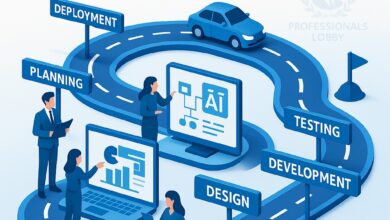
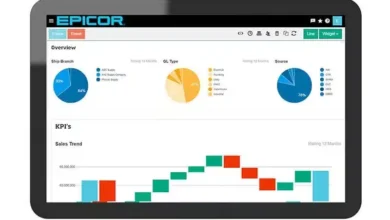
Starting with the essential topic of mrp software, this paragraph aims to provide a captivating overview that highlights its significance in the manufacturing industry. MRP software plays a crucial role in optimizing production processes and streamlining operations for improved efficiency and cost reduction.
Advertisement





Definition of MRP Software
MRP software, which stands for Material Requirements Planning software, is a computer-based system used by businesses to manage and plan their manufacturing processes efficiently. It helps in organizing and tracking the materials needed for production, scheduling manufacturing activities, and optimizing inventory levels to meet customer demands.
Primary Functions of MRP Software
- Generating Material Requirements: MRP software calculates the materials needed for production based on the production schedule and desired inventory levels.
- Scheduling Production: It helps in creating a production schedule by considering factors like lead times, available resources, and order priorities.
- Inventory Management: MRP software optimizes inventory levels by tracking stock levels, reorder points, and lead times to prevent shortages or overstocking.
- Production Planning: It assists in planning production processes by coordinating with different departments, suppliers, and subcontractors to ensure smooth operations.
Examples of Industries Using MRP Software
- Manufacturing Industry: MRP software is commonly used in manufacturing industries such as automotive, electronics, and consumer goods to streamline production processes and manage inventory efficiently.
- Pharmaceutical Industry: Pharmaceutical companies utilize MRP software to plan and track the production of drugs while ensuring compliance with regulations and maintaining quality standards.
- Food and Beverage Industry: MRP software helps food and beverage companies in managing raw materials, production schedules, and distribution to meet the demands of customers and retailers.
Features of MRP Software
MRP (Material Requirements Planning) software offers a range of features designed to streamline inventory management, production planning, and scheduling processes for businesses. Let’s explore some essential features of MRP software and how they contribute to efficient operations.
Inventory Management
- Real-time Inventory Tracking: MRP software allows businesses to track inventory levels in real-time, ensuring optimal stock levels and preventing stockouts or overstock situations.
- Automated Reordering: The software can automatically generate purchase orders based on predefined reorder points, minimizing manual intervention and ensuring timely replenishment of inventory.
- Inventory Analysis: MRP software provides detailed insights into inventory turnover rates, carrying costs, and lead times, enabling businesses to make informed decisions about inventory management strategies.
Production Planning and Scheduling
- Bill of Materials (BOM) Management: MRP software enables businesses to create and maintain accurate BOMs, outlining the components and quantities required to manufacture a product.
- Capacity Planning: The software helps businesses optimize production schedules by considering factors such as machine capacity, labor availability, and material constraints.
- Lead Time Calculation: MRP software calculates lead times for each component in the production process, allowing businesses to schedule production activities efficiently and meet customer demand.
Benefits of Implementing MRP Software
Implementing MRP Software in a manufacturing environment can provide numerous advantages that can significantly enhance operational efficiency and reduce costs. Let’s delve into the benefits of utilizing MRP Software.
Advertisement
Improved Inventory Management
One of the key benefits of MRP Software is its ability to optimize inventory management. By accurately tracking inventory levels and demand forecasts, MRP Software helps prevent overstocking or stockouts, leading to reduced carrying costs and improved cash flow.
Enhanced Production Planning
MRP Software enables manufacturers to develop precise production schedules based on real-time data, customer demand, and resource availability. This leads to better utilization of resources, reduced lead times, and improved on-time delivery performance.
Cost Savings
By streamlining processes, reducing waste, and optimizing resource allocation, MRP Software helps companies save costs in various areas such as inventory holding, labor, and procurement. The ability to identify inefficiencies and bottlenecks allows for cost-effective decision-making.
Advertisement
Improved Decision-Making
MRP Software provides valuable insights through data analytics and reporting, enabling management to make informed decisions quickly. This enhances visibility across the supply chain, improves forecasting accuracy, and facilitates proactive problem-solving.
Streamlined Communication and Collaboration
With MRP Software, all departments within a manufacturing organization can access real-time data, collaborate effectively, and communicate seamlessly. This fosters cross-functional alignment, enhances productivity, and ensures everyone is working towards common goals.
Implementation Process of MRP Software
Implementing MRP software in a company involves several key steps to ensure a smooth transition and effective utilization of the system.
Training for Employees
Training plays a crucial role in the successful implementation of MRP software. Employees need to be adequately trained to use the software effectively and maximize its benefits. This training may include understanding the functionalities of the MRP system, data input processes, generating reports, interpreting data, and troubleshooting common issues.
- Organize comprehensive training sessions for all employees who will be using the MRP software.
- Provide hands-on training with real-life scenarios to help employees familiarize themselves with the software.
- Offer continuous support and guidance to address any challenges or questions that may arise during the training process.
Common Challenges and Solutions
During the implementation of MRP software, companies may face various challenges that can hinder the process. It is essential to identify these challenges and proactively address them to ensure a successful implementation.
Common challenges include resistance from employees to adapt to new technology, data migration issues, lack of clear communication about the implementation process, and inadequate training.
- To overcome resistance from employees, involve them in the decision-making process and clearly communicate the benefits of the new system.
- Ensure proper data migration by conducting thorough testing and validation of data before fully transitioning to the MRP software.
- Establish clear communication channels and provide regular updates to employees about the implementation progress and any changes that may occur.
- Address training needs by offering continuous support, refresher sessions, and resources to help employees enhance their skills and knowledge of the MRP software.
Integration with Other Systems
When it comes to MRP software, integration with other systems plays a crucial role in streamlining operations and enhancing efficiency.
Integration with ERP Systems
MRP software often integrates seamlessly with ERP systems, allowing for a more comprehensive view of the entire manufacturing process. This integration helps in synchronizing data across various departments, such as production, inventory, and finance, leading to improved decision-making and resource allocation.
Importance of Integrating MRP Software with CRM Systems
Integrating MRP software with CRM systems enables businesses to better understand customer demand and preferences. By combining production data from MRP software with customer data from CRM systems, companies can tailor their manufacturing processes to meet specific customer needs, leading to higher customer satisfaction and loyalty.
Examples of Integrating MRP Software with Accounting Software
MRP software can be integrated with accounting software to streamline financial processes and ensure accurate cost tracking. For example, by linking MRP software with accounting systems, companies can automatically update financial records based on production activities, track costs associated with inventory management, and generate real-time financial reports for better decision-making.
Customization Options in MRP Software
When it comes to MRP software, customization options play a crucial role in tailoring the system to meet specific business needs. By understanding the various customization capabilities offered by MRP software, companies can optimize their operations and improve efficiency.
Tailoring User Interfaces and Workflows
- Companies can customize the user interface of MRP software to match their existing workflows and processes. This includes adjusting layouts, adding or removing fields, and creating personalized dashboards for different users.
- By tailoring the user interface, employees can have a more intuitive and streamlined experience, leading to increased productivity and reduced training time.
Customizing Reporting and Analytics
- MRP software often comes with standard reports and analytics features, but companies can customize these to generate specific insights and metrics relevant to their operations.
- Custom reports can help management make informed decisions, identify trends, and forecast demand more accurately.
Integration with Third-Party Systems
- Another key customization option is the ability to integrate MRP software with other systems such as CRM, accounting, or e-commerce platforms.
- By integrating different systems, companies can automate data exchange, streamline processes, and ensure seamless communication between departments.
Security and Compliance in MRP Software
Security and compliance are crucial aspects of any MRP software to ensure the protection of sensitive data and adherence to industry regulations.
Security Measures in MRP Software
- Encryption: MRP software often incorporates encryption techniques to secure data both in transit and at rest, safeguarding it from unauthorized access.
- Role-based Access Control: By assigning specific permissions to users based on their roles within the organization, MRP software limits access to sensitive information only to those who require it.
- Regular Security Audits: Continuous monitoring and auditing of the system help identify potential vulnerabilities and ensure that security measures are updated and effective.
Compliance Requirements
- GDPR Compliance: MRP software must adhere to the General Data Protection Regulation (GDPR) guidelines to protect the personal data of individuals within the European Union.
- HIPAA Compliance: For MRP software used in healthcare settings, compliance with the Health Insurance Portability and Accountability Act (HIPAA) is essential to safeguard patient information.
- ISO Certification: Some organizations may require MRP software to be certified under ISO standards to ensure quality management and data security.
Data Integrity and Confidentiality
- Backup and Disaster Recovery: MRP software often includes features for regular data backups and disaster recovery plans to prevent data loss and ensure business continuity.
- Audit Trails: The software tracks all user activities and changes made to data, providing a transparent record of actions taken within the system.
- Data Masking: Sensitive information can be masked within the system to protect confidentiality while still allowing authorized users to access the data they need.
Cloud-Based vs. On-Premise MRP Software
When it comes to choosing between cloud-based and on-premise MRP software, companies need to carefully consider the advantages and disadvantages of each option. Both deployment types have their own set of benefits and challenges, so it’s important to weigh them against the specific needs and goals of the organization.
Advantages and Disadvantages of Cloud-Based MRP Software
- Advantages:
- Cost-effective as it eliminates the need for expensive hardware and infrastructure.
- Scalability allows for easy expansion or reduction of resources based on demand.
- Accessibility from anywhere with an internet connection, promoting remote work flexibility.
- Disadvantages:
- Dependence on internet connectivity may pose challenges in areas with unstable connections.
- Security concerns related to data privacy and potential breaches in cloud storage.
- Potential limitations in customization options compared to on-premise solutions.
Considerations when Choosing between Cloud-Based and On-Premise MRP Software
- Evaluate the organization’s budget constraints and long-term cost implications.
- Assess the level of IT expertise available within the company for maintenance and support.
- Consider data security requirements and compliance standards that need to be met.
Examples of Companies Benefiting from Each Deployment Type
- Cloud-Based: A medium-sized manufacturing company increased operational efficiency by 20% after switching to cloud-based MRP software, allowing real-time access to inventory data across multiple locations.
- On-Premise: A large automotive supplier with strict data privacy regulations opted for on-premise MRP software to maintain full control over their sensitive production data and ensure compliance with industry standards.
Trends in MRP Software Development
In the ever-evolving landscape of manufacturing, MRP software development is constantly adapting to new technologies and market demands. Let’s explore some of the current trends shaping the future of MRP software.
AI Integration in MRP Software
AI (Artificial Intelligence) is revolutionizing the way MRP software operates by enabling predictive analytics, demand forecasting, and intelligent automation. By leveraging AI algorithms, MRP systems can optimize production schedules, inventory management, and supply chain operations to enhance efficiency and reduce costs.
IoT Connectivity in MRP Software
The Internet of Things (IoT) is playing a crucial role in MRP software development by connecting machines, sensors, and devices to gather real-time data for better decision-making. Integrating IoT capabilities into MRP systems enables manufacturers to monitor equipment performance, track production processes, and ensure quality control throughout the manufacturing lifecycle.
Future Advancements in MRP Software
Looking ahead, the future of MRP software holds exciting possibilities with advancements in machine learning, blockchain technology, and cloud computing. These innovations are set to further streamline operations, enhance supply chain visibility, and improve collaboration across different departments within an organization. As MRP software continues to evolve, manufacturers can expect increased customization options, scalability, and interoperability with other enterprise systems for a more integrated and efficient manufacturing process.
Ending Remarks
In conclusion, mrp software proves to be a game-changer in the manufacturing sector by revolutionizing the way companies handle production planning, inventory management, and overall operational efficiency. Its implementation leads to significant benefits and sets the stage for future advancements in the industry.

Contributing author focused on delivering fresh perspectives and timely information.