Starting with ERP software, this innovative solution revolutionizes business operations by integrating various modules to enhance efficiency and productivity. From customization to security features, ERP software offers a comprehensive approach to streamline processes and drive growth.
Advertisement





Introduction to ERP Software
Enterprise Resource Planning (ERP) software is a comprehensive solution that integrates various departments and functions within an organization into a single system. Its primary purpose is to streamline processes, improve efficiency, and provide real-time insights for better decision-making.
There are several benefits to using ERP software for organizations, including:
Benefits of ERP Software
- Improved Efficiency: ERP software automates repetitive tasks, reducing manual errors and saving time.
- Enhanced Visibility: By centralizing data, ERP systems provide a holistic view of operations, enabling better coordination and planning.
- Better Decision-Making: With access to real-time data and analytics, organizations can make informed decisions quickly.
- Cost Savings: By optimizing processes and resources, ERP software helps reduce operational costs and improve profitability.
Modules in ERP Software
ERP software typically includes several modules to cater to different aspects of business operations. Some common modules found in ERP systems are:
Advertisement
| Module | Description |
|---|---|
| Finance | Handles financial transactions, budgeting, and reporting. |
| Human Resources | Manages employee information, payroll, benefits, and training. |
| Inventory Management | Tracks and manages inventory levels, orders, and supply chain. |
| Sales and Marketing | Manages customer relationships, sales orders, and marketing campaigns. |
Implementation of ERP Software
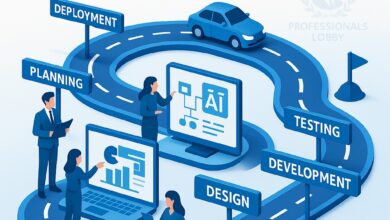
Implementing ERP software in a company is a complex process that requires careful planning and execution. It involves several key steps that organizations need to follow to ensure a successful implementation.
Steps involved in implementing ERP software:
- Planning: Define the objectives, scope, and budget of the ERP implementation project.
- Selection: Choose the right ERP system that aligns with the business requirements and goals.
- Configuration: Customize the ERP software to fit the specific needs of the organization.
- Data Migration: Transfer existing data from legacy systems to the new ERP system.
- Training: Provide training to employees on how to use the new ERP software effectively.
- Testing: Conduct thorough testing to ensure the ERP system functions as intended before going live.
- Go-Live: Launch the ERP system for full operational use across the organization.
- Support and Maintenance: Provide ongoing support and maintenance to optimize the performance of the ERP system.
Challenges organizations may face during ERP software implementation:
- Resistance to Change: Employees may resist adopting new processes and technologies.
- Data Quality Issues: Ensuring data accuracy and consistency during data migration.
- Integration Challenges: Integrating the ERP system with existing systems and third-party applications.
- Budget Overruns: Unexpected costs may arise during implementation, leading to budget overruns.
- Time Constraints: Meeting tight deadlines for implementation without compromising quality.
Comparison of different implementation strategies for ERP software:
- Phased Rollout: Implementing ERP software in stages, gradually adding functionality and modules over time. This approach allows for easier management of change and reduces the impact on operations.
- Big Bang: Implementing the entire ERP system at once, replacing all existing systems simultaneously. While this approach can lead to faster integration, it also carries higher risks and requires extensive planning and resources.
Customization and Integration of ERP Software
Customization and integration are crucial aspects of maximizing the benefits of ERP software within an organization. Tailoring the software to specific business needs and seamlessly integrating it with existing systems can greatly enhance efficiency and productivity.
Importance of Customizing ERP Software
Customizing ERP software allows businesses to adapt the system to their unique processes and requirements. By tailoring the software to specific needs, organizations can streamline operations, improve user adoption, and ultimately increase overall productivity.
Advertisement
Process of Integrating ERP Software
Integrating ERP software with other systems involves connecting different software applications or databases to ensure seamless data flow and communication. This process typically requires mapping data fields, establishing data synchronization, and testing the integration to ensure accuracy and efficiency.
Enhancing Efficiency through Customization and Integration
- Improved Data Accuracy: Customization and integration help ensure that data is consistent across all systems, reducing errors and improving decision-making.
- Streamlined Processes: By customizing ERP software to align with specific workflows and integrating it with other systems, organizations can streamline processes and eliminate manual tasks.
- Enhanced Reporting Capabilities: Customization allows businesses to generate customized reports tailored to their specific needs, providing valuable insights for informed decision-making.
- Better User Experience: Customizing ERP software to match user preferences and integrating it with other tools can enhance user experience, leading to increased efficiency and user satisfaction.
Security Features in ERP Software
ERP software comes equipped with a variety of security features to safeguard sensitive business data from unauthorized access and cyber threats. Implementing these security measures is crucial to maintaining the integrity of the system and protecting valuable information.
Common Security Features
- Role-based access control: ERP systems allow administrators to define user roles and permissions, ensuring that users only have access to the data and functionalities necessary for their job responsibilities.
- Data encryption: Encryption techniques are used to secure data both in transit and at rest, preventing unauthorized users from deciphering sensitive information.
- Firewall protection: Firewalls are implemented to monitor and control incoming and outgoing network traffic, preventing malicious attacks and unauthorized access to the ERP system.
- Audit trails: ERP software maintains detailed logs of user activities, allowing administrators to track changes made to the system and identify any suspicious behavior.
Best Practices for Data Security
- Regular software updates: Keeping ERP software up-to-date with the latest security patches and enhancements is essential to protect against evolving cyber threats.
- Employee training: Providing comprehensive training on security protocols and best practices can help prevent human errors that may compromise data security.
- Strong password policies: Enforcing complex password requirements and regular password changes can help prevent unauthorized access to the ERP system.
Role of User Access Controls and Encryption
- Access controls play a vital role in restricting user permissions and ensuring that sensitive data is only accessible to authorized personnel.
- Encryption helps protect data from being intercepted or accessed by unauthorized parties, providing an additional layer of security for confidential information stored within the ERP system.
Mobile Accessibility of ERP Software
Mobile accessibility in ERP software solutions is a growing trend that caters to the modern workforce’s need for flexibility and convenience. With the increasing reliance on smartphones and tablets, users can now access ERP software anytime, anywhere, leading to improved productivity and decision-making.
Benefits of Mobile Accessibility
- Flexibility: Users can access ERP software on-the-go, allowing them to stay connected and make informed decisions even outside the office.
- Real-time data access: Mobile accessibility enables users to access real-time data, update information, and collaborate with team members instantly.
- Improved decision-making: With mobile access to ERP software, users can make quick decisions based on up-to-date information, leading to more efficient operations.
- Enhanced productivity: Mobile accessibility eliminates the need to be tied to a desktop, enabling users to complete tasks and respond to issues promptly.
Cloud-Based ERP Software
Cloud-based ERP software is a type of enterprise resource planning system that is hosted on remote servers and accessed through the internet. This modern approach to ERP offers several advantages over traditional on-premise solutions, including increased flexibility, scalability, and cost-effectiveness.
Different Cloud Deployment Models for ERP Software
- Public Cloud: In this model, ERP software is hosted and managed by third-party providers and shared among multiple organizations. It offers cost savings and rapid deployment but may raise concerns about data security and customization limitations.
- Private Cloud: In a private cloud deployment, the ERP software is dedicated to a single organization and offers more control over security and customization. However, it requires higher initial investment and maintenance costs.
- Hybrid Cloud: This deployment model combines elements of both public and private clouds, allowing organizations to leverage the benefits of both. It offers greater flexibility and scalability but may introduce complexity in managing multiple environments.
Scalability and Cost-Effectiveness of Cloud-Based ERP Software
Cloud-based ERP software provides businesses with the ability to scale resources up or down based on their changing needs, making it ideal for organizations experiencing growth or fluctuating demand. Additionally, the pay-as-you-go pricing model of cloud ERP allows businesses to only pay for the resources they use, reducing upfront costs and eliminating the need for expensive hardware investments.
ERP Software for Different Industries
ERP software plays a crucial role in streamlining business processes across various industries. Let’s explore how ERP software is tailored to meet the specific needs of different sectors such as manufacturing, healthcare, and retail.
Manufacturing Industry
In the manufacturing industry, ERP software often includes features such as supply chain management, production planning, and inventory control. These industry-specific functionalities help manufacturers optimize production schedules, track raw materials, and manage complex manufacturing processes efficiently.
Healthcare Industry
For the healthcare sector, ERP software may offer modules for patient management, electronic health records (EHR), and billing systems. These specialized features enable healthcare providers to streamline administrative tasks, enhance patient care, and ensure compliance with regulatory requirements.
Retail Industry
In the retail industry, ERP software may include point-of-sale (POS) integration, inventory management, and customer relationship management (CRM) features. By leveraging these industry-specific tools, retailers can improve inventory visibility, personalize customer interactions, and enhance overall operational efficiency.
ERP Software Trends and Innovations
In today’s fast-paced digital landscape, ERP software is constantly evolving to meet the changing needs of businesses. Let’s explore some of the latest trends and innovations in ERP software development that are shaping the future of this technology.
AI Integration in ERP Software
Artificial Intelligence (AI) is increasingly being integrated into ERP software to automate repetitive tasks, improve decision-making processes, and enhance overall efficiency. AI-powered ERP systems can analyze data faster, predict trends, and provide valuable insights to help organizations make informed decisions.
IoT Connectivity in ERP Software
The Internet of Things (IoT) is revolutionizing the way data is collected and shared in ERP systems. By connecting devices and sensors to ERP software, organizations can gather real-time information on various aspects of their operations, such as inventory levels, equipment performance, and customer interactions. This connectivity enables better tracking, monitoring, and optimization of processes.
Blockchain Technology in ERP Software
Blockchain technology is being increasingly explored for its potential to enhance data security and transparency in ERP systems. By creating a decentralized and tamper-proof ledger, blockchain can help prevent fraud, streamline transactions, and ensure the integrity of data across the supply chain. Integrating blockchain into ERP software can improve trust among stakeholders and streamline complex processes.
Machine Learning in ERP Software
Machine learning algorithms are being leveraged in ERP software to analyze vast amounts of data and identify patterns that can drive operational efficiencies. By using historical data to predict outcomes and optimize workflows, machine learning capabilities in ERP systems can help organizations streamline processes, reduce costs, and enhance decision-making.
Robotic Process Automation (RPA) in ERP Software
Robotic Process Automation (RPA) is gaining traction in ERP software to automate repetitive tasks and streamline workflows. By deploying software robots to perform routine processes, organizations can free up human resources for more strategic initiatives, reduce errors, and increase operational efficiency. RPA integration in ERP software can lead to significant time and cost savings.
ROI and Performance Metrics for ERP Software
Implementing an ERP software system can have a significant impact on an organization’s operations, but it is essential to measure the return on investment (ROI) and performance metrics to evaluate its effectiveness.
Measuring ROI of ERP Software
Calculating the ROI of ERP software involves considering the costs associated with implementation, training, maintenance, and ongoing support, as well as the benefits gained from increased efficiency, reduced errors, and improved decision-making.
- Cost Reduction: ERP software streamlines processes, reduces manual errors, and eliminates duplication of work, leading to cost savings in the long run.
- Increased Productivity: By automating tasks and providing real-time data access, ERP software enables employees to work more efficiently, ultimately increasing productivity.
- Enhanced Decision-Making: With accurate and timely information available through ERP software, organizations can make informed decisions that positively impact performance and profitability.
Key Performance Metrics for ERP Software
Measuring the performance of ERP software involves tracking key metrics that indicate the system’s effectiveness in improving business operations.
- Inventory Turnover Ratio: ERP software can help optimize inventory levels, reducing excess stock and improving inventory turnover ratio.
- Order Fulfillment Cycle Time: Tracking the time taken to fulfill customer orders with ERP software can highlight areas for improvement in the supply chain and logistics processes.
- Customer Satisfaction: Through better access to customer data and improved service delivery, ERP software can enhance customer satisfaction levels, leading to repeat business and loyalty.
Last Recap
In conclusion, ERP software plays a pivotal role in shaping modern businesses by providing tailored solutions for different industries, incorporating the latest trends and innovations, and measuring ROI effectively. Embracing ERP software is not just a choice but a strategic investment for sustainable growth and success.

Contributing author focused on delivering fresh perspectives and timely information.