Starting with the best ERP software, this paragraph aims to grab the readers’ attention and provide a glimpse into the world of efficient business management solutions. ERP software plays a crucial role in enhancing productivity and optimizing processes for businesses of all sizes.
Advertisement




Overview of ERP Software
ERP software, or Enterprise Resource Planning software, is a centralized system that helps businesses manage and integrate important processes across various departments. It allows for the flow of information and data between different functions within an organization, promoting efficiency and collaboration.
Key Features of ERP Systems
ERP systems typically include features such as:
- Accounting and financial management
- Inventory management
- Human resources
- Sales and marketing
- Supply chain management
- Customer relationship management
These features work together to streamline operations, improve decision-making, and enhance overall productivity.
Advertisement
Benefits of Using ERP Software for Businesses
- Improved Efficiency: ERP software automates repetitive tasks, reducing manual errors and saving time.
- Enhanced Data Accuracy: By centralizing data, ERP systems ensure consistency and accuracy in information across the organization.
- Better Decision-making: Real-time data access and reporting tools enable informed decision-making for business growth.
- Cost Savings: Streamlining processes and reducing waste can lead to cost savings in the long run.
- Increased Collaboration: ERP systems facilitate communication and collaboration among departments, fostering a cohesive work environment.
Overall, ERP software plays a crucial role in helping businesses operate more efficiently, make data-driven decisions, and stay competitive in today’s fast-paced market.
Types of ERP Software
When it comes to ERP software, there are various types available in the market to cater to different business needs and industries. Let’s explore some of the key types of ERP software below.
Cloud-based ERP Software vs On-premise ERP Solutions
Cloud-based ERP software and on-premise ERP solutions are two popular options for businesses looking to implement an ERP system. Here is a comparison between the two:
Advertisement
- Cloud-based ERP Software: This type of ERP software is hosted on the cloud and accessed through the internet. It offers flexibility, scalability, and cost-effectiveness as businesses can pay for what they use. Updates and maintenance are managed by the service provider.
- On-premise ERP Solutions: On-premise ERP solutions require businesses to host the software on their own servers and infrastructure. They offer more control and customization options but can be more costly and require dedicated IT resources for maintenance.
Industry-specific ERP Software Options
Many ERP software vendors offer industry-specific solutions tailored to the unique needs of different sectors. Here are some examples:
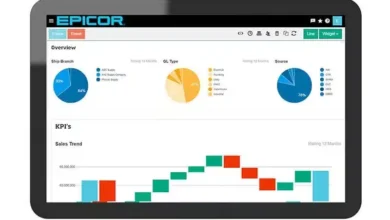
- Manufacturing ERP Software: Designed for manufacturing companies to streamline production processes, manage supply chains, and optimize inventory control. Examples include SAP S/4HANA, Oracle NetSuite, and Epicor.
- Healthcare ERP Software: Tailored for healthcare providers to handle patient records, billing, compliance, and scheduling. Popular options include Cerner, Meditech, and NextGen Healthcare.
- Retail ERP Software: Geared towards retail businesses to manage sales, inventory, customer relationships, and e-commerce operations. Leading vendors in this space include Microsoft Dynamics 365, Shopify Plus, and Lightspeed Retail.
Popular ERP Software Vendors
There are several well-known ERP software vendors in the market that offer a wide range of solutions to meet diverse business requirements. Some of the popular ERP software vendors include:
- SAP: A global leader in ERP software, known for its robust solutions for various industries.
- Oracle: Offers a comprehensive suite of ERP applications for businesses of all sizes.
- Microsoft: Provides ERP solutions such as Dynamics 365 to help organizations streamline their operations.
- Infor: Specializes in industry-specific ERP software for sectors like manufacturing, healthcare, and retail.
Key Features to Look For
When choosing an ERP software for your business, it is crucial to consider the key features that will best suit your needs. Here, we will discuss the essential features to look for in ERP software, including finance management, inventory tracking, CRM, HR management, scalability, customization options, and analytics and reporting capabilities.
Essential Features Comparison
| Feature | Description |
|---|---|
| Finance Management | Ability to manage financial processes, such as accounting, budgeting, and financial reporting. |
| Inventory Tracking | Capability to track inventory levels, manage stock, and optimize supply chain operations. |
| CRM | Customer Relationship Management tools to manage customer interactions, sales, and marketing activities. |
| HR Management | Features for managing employee data, payroll, benefits, and compliance. |
Importance of Scalability and Customization
Scalability and customization options are essential in ERP software as they allow businesses to adapt and grow. Scalability ensures that the software can handle increased data and user loads as the business expands. Customization options enable businesses to tailor the software to their specific needs and processes, improving efficiency and productivity.
Role of Analytics and Reporting
Analytics and reporting capabilities in ERP systems are crucial for making informed business decisions. These features provide insights into business performance, trends, and areas for improvement. By analyzing data and generating reports, businesses can optimize operations, identify opportunities for growth, and address challenges effectively.
Implementation Process
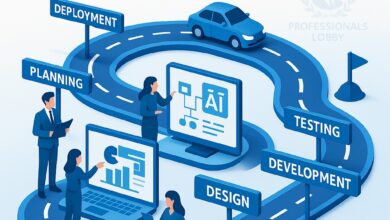
Implementing ERP software within a company involves several key steps to ensure a smooth transition and successful integration. It is essential to carefully plan and execute each phase of the implementation process to maximize the benefits of the ERP system.
Steps Involved in Implementing ERP Software:
- Planning and Preparation: Define the scope, objectives, and goals of the ERP implementation project. Create a detailed project plan, allocate resources, and establish a timeline for the implementation process.
- System Selection: Choose the right ERP software solution that aligns with your business requirements and goals. Evaluate different vendors, conduct demos, and select the system that best fits your organization’s needs.
- Configuration and Customization: Configure the ERP system to match your business processes and workflows. Customize the software to meet specific requirements and integrate with existing systems and applications.
- Data Migration: Transfer data from legacy systems to the new ERP system accurately and securely. Cleanse and validate data to ensure consistency and integrity in the new system.
- Training and Testing: Provide comprehensive training to employees on how to use the ERP system effectively. Conduct extensive testing to identify and resolve any issues or discrepancies before going live.
- Go-Live and Support: Launch the ERP system across the organization and provide ongoing support to address any issues or concerns. Monitor system performance, user feedback, and make necessary adjustments for optimization.
Best Practices for Data Migration:
- Develop a data migration strategy and plan to ensure a smooth and successful transition.
- Implement data cleansing and validation processes to maintain data accuracy and integrity.
- Conduct thorough testing of data migration processes to identify and rectify any errors or discrepancies.
- Engage key stakeholders and subject matter experts in the data migration process to ensure alignment with business objectives.
- Establish data migration checkpoints and validation procedures to track progress and ensure data quality.
Challenges During ERP Implementation and How to Overcome Them:
- Resistance to Change: Address resistance among employees by providing adequate training, communication, and support throughout the implementation process.
- Scope Creep: Define clear project scope and objectives to prevent scope creep and ensure the project stays on track and within budget.
- Lack of Executive Buy-In: Secure leadership support and involvement to drive the ERP implementation forward and overcome organizational barriers.
- Data Security Concerns: Implement robust data security measures and protocols to safeguard sensitive information and mitigate potential risks.
- Integration Issues: Address integration challenges by working closely with vendors, IT teams, and stakeholders to ensure seamless integration with existing systems and applications.
Integration Capabilities
Integration capabilities are crucial for ERP software to seamlessly connect with other business applications, streamlining processes and improving efficiency.
Examples of Third-Party Integrations
- Integration with e-commerce platforms such as Shopify or Magento for order processing and inventory management.
- Integration with marketing automation tools like HubSpot or Marketo for streamlined customer data management and marketing campaigns.
Significance of Seamless Integration
Seamless integration between ERP systems and other business applications ensures real-time data syncing and eliminates manual data entry errors. This leads to improved decision-making, enhanced productivity, and better customer experiences.
Role of APIs in Connecting ERP Software
Application Programming Interfaces (APIs) play a vital role in connecting ERP software with external systems by enabling communication and data exchange between different software applications. APIs facilitate the flow of information, automate processes, and enhance the overall functionality of ERP systems.
Cost Considerations
When considering implementing an ERP system, it is crucial to factor in the costs involved to ensure a successful and sustainable implementation. From license fees to ongoing maintenance, understanding the various cost considerations is essential for effective budgeting and decision-making.
Cost Comparison Between ERP Software Options
| ERP Software | License Fees | Implementation Costs | Ongoing Maintenance |
|---|---|---|---|
| ERP Option 1 | $X | $Y | $Z |
| ERP Option 2 | $X | $Y | $Z |
| ERP Option 3 | $X | $Y | $Z |
Factors Influencing Total Cost of Ownership
- Customization Needs: The level of customization required for your business processes can significantly impact costs.
- Scalability: Consider the scalability of the ERP system to ensure it can grow with your business without incurring hefty additional costs.
- Training and Support: Training and ongoing support costs should be factored in for a successful ERP implementation.
- Data Migration: The complexity of migrating existing data into the new ERP system can affect costs.
Tips for Budgeting Effectively for ERP Software Implementation
- Define Clear Objectives: Clearly outline your business objectives and requirements to avoid unnecessary expenses.
- Allocate Resources Wisely: Allocate resources effectively to different phases of the ERP implementation process to manage costs efficiently.
- Consider Total Cost of Ownership: Look beyond initial costs and consider the long-term expenses associated with the ERP system.
- Seek Competitive Bids: Obtain multiple quotes from ERP vendors to compare costs and negotiate for the best deal.
User Experience and Interface
User experience (UX) and interface design play a crucial role in the overall usability and efficiency of ERP software systems. A well-designed interface can enhance user productivity, streamline processes, and improve overall user satisfaction. Let’s delve deeper into the user experience and interface aspects of ERP software:
User-Friendliness of ERP Software Interfaces
ERP software interfaces should be intuitive and user-friendly to ensure that employees can easily navigate the system and perform their tasks efficiently. A cluttered or confusing interface can lead to frustration and decreased productivity. Leading ERP software products focus on simplicity, clarity, and ease of use in their interface design to enhance user experience.
Examples of innovative UX/UI features in top ERP software products include customizable dashboards that allow users to personalize their workspace, drag-and-drop functionalities for easy data manipulation, context-sensitive help options for on-the-spot assistance, and role-based access controls that tailor the interface to individual user needs. These features contribute to a more user-friendly and productive ERP experience.
Importance of Mobile Accessibility in Modern ERP Systems
In today’s fast-paced business environment, mobile accessibility has become increasingly important in ERP systems. Mobile ERP solutions enable employees to access critical business information and perform tasks on the go, enhancing productivity and decision-making capabilities. Whether it’s approving purchase orders, checking inventory levels, or monitoring sales performance, mobile access to ERP systems empowers employees to stay connected and informed at all times.
Leading ERP software providers offer mobile applications with responsive design and optimized user interfaces for seamless navigation on smartphones and tablets. These mobile apps provide real-time data access, task management capabilities, and notifications to keep users informed and productive, no matter where they are.
Innovative UX/UI Features in Leading ERP Software Products
Innovative UX/UI features in leading ERP software products focus on enhancing user experience, improving productivity, and simplifying complex processes. Some examples include interactive data visualizations for better insights, predictive analytics for informed decision-making, chatbots for instant support, and AI-driven recommendations for process optimization. These features not only make ERP systems more user-friendly but also empower users to leverage data effectively and drive business growth.
Overall, a user-friendly interface and mobile accessibility are essential considerations when evaluating ERP software solutions. By choosing a system with intuitive UX/UI features and robust mobile capabilities, organizations can maximize user adoption, streamline operations, and achieve better business outcomes.
Security and Compliance
In today’s digital age, ensuring the security and compliance of sensitive business data is paramount for any organization utilizing ERP software. These systems house a wealth of confidential information, from financial data to customer records, making them a prime target for cyber threats.
Security Measures
Implementing robust security measures is crucial for safeguarding ERP systems. Some key security features that ERP software should have include:
- Role-based access control to restrict user permissions and limit access to sensitive data.
- Encryption of data both in transit and at rest to prevent unauthorized access.
- Regular security updates and patches to address vulnerabilities and protect against emerging threats.
- Monitoring and auditing tools to track user activity and detect any suspicious behavior.
Compliance Standards
ERP systems must adhere to various compliance standards depending on the industry they operate in. Some common standards include:
- General Data Protection Regulation (GDPR) for ensuring the protection of personal data of EU citizens.
- Health Insurance Portability and Accountability Act (HIPAA) for safeguarding healthcare information.
- Sarbanes-Oxley Act (SOX) for maintaining accurate financial reporting and preventing fraud.
Data Privacy Strategies
To ensure data privacy and confidentiality within an ERP environment, organizations can implement the following strategies:
- Regular employee training on data security best practices to reduce human errors that could lead to data breaches.
- Implementing multi-factor authentication to add an extra layer of security for user logins.
- Regularly reviewing and updating security policies and procedures to adapt to evolving cyber threats.
- Conducting regular security assessments and penetration testing to identify and address vulnerabilities proactively.
Customer Support and Training
In the world of ERP software, customer support and training are crucial aspects to consider when selecting a vendor. Let’s delve into the types of customer support services offered by ERP vendors, tips for choosing a vendor with reliable customer support, and the importance of training programs for employees using ERP software.
Types of Customer Support Services
Customer support services provided by ERP vendors can vary, but some common types include:
- 24/7 technical support for urgent issues
- Online knowledge base and resources for self-help
- On-site support for implementation and troubleshooting
- Regular software updates and patches
Tips for Selecting an ERP Vendor with Reliable Customer Support
To ensure you choose a vendor with dependable customer support, consider the following tips:
- Check customer reviews and testimonials for feedback on their support services
- Inquire about response times for support requests and average resolution times
- Ask about the availability of dedicated account managers or support teams
- Evaluate the vendor’s reputation for post-implementation support and ongoing assistance
Importance of Training Programs
Training programs for employees using ERP software are essential for maximizing the benefits of the system. Here’s why:
- Empowers employees to effectively use the software and perform their tasks efficiently
- Reduces errors and improves data accuracy through proper training and guidance
- Boosts employee confidence and morale by increasing their proficiency with the system
- Ensures a smoother transition during ERP implementation and minimizes resistance to change
Final Summary
In conclusion, the best ERP software offers a comprehensive suite of tools to streamline business operations effectively, leading to increased efficiency and growth. Embracing the right ERP solution can truly revolutionize the way organizations operate and achieve their goals.

Contributing author focused on delivering fresh perspectives and timely information.